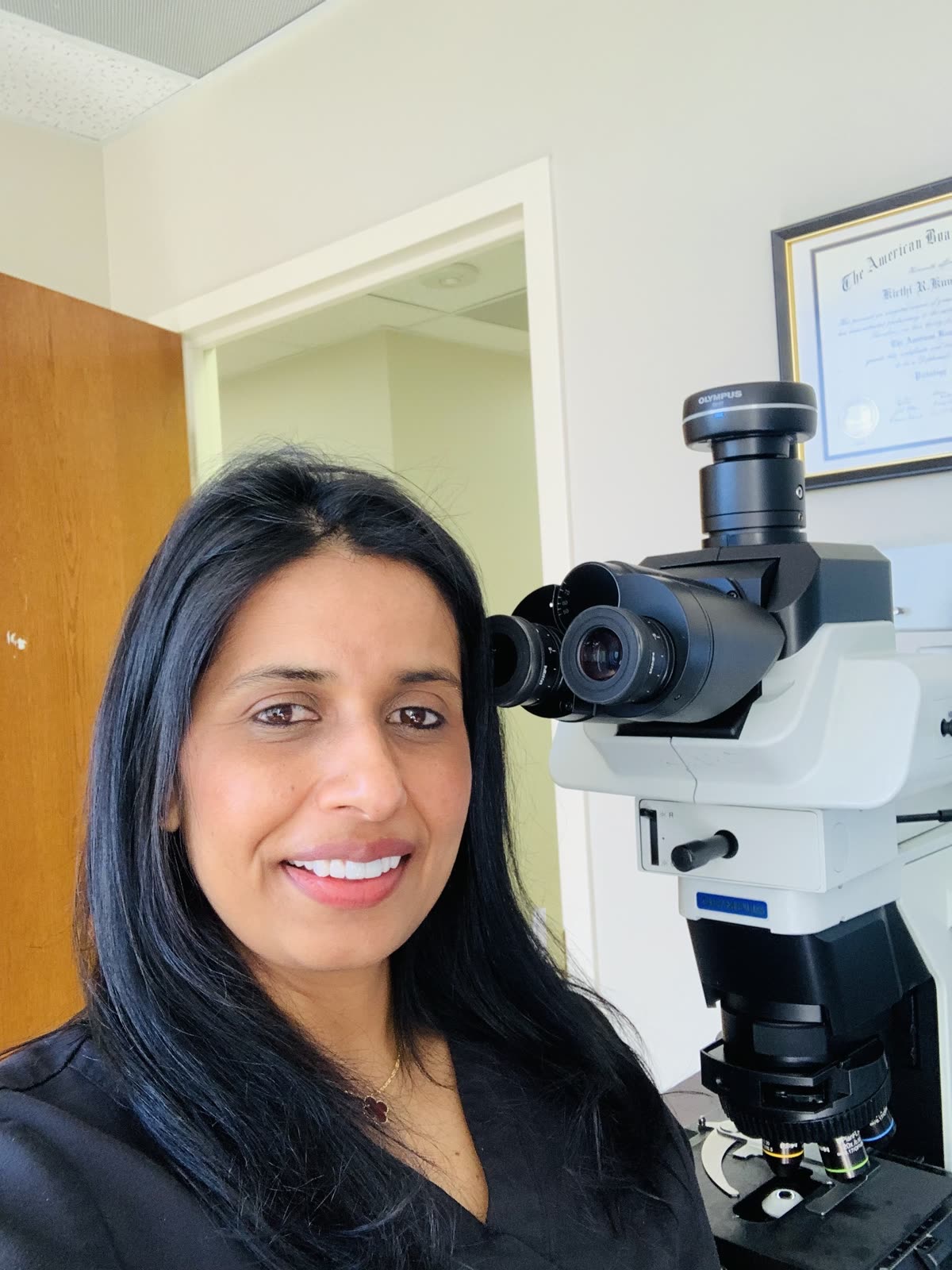
Dr. Kirthi Kumar at a microscope

Medical Director, Board Certified Hematopathologist

Kirthi Kumar, M.D., Ph.D.

Dr. Kirthi Kumar is a board-certified hematopathologist with extensive expertise in the diagnosis of leukemias, lymphomas, plasma cell neoplasms, myelodysplastic syndromes, and other complex blood and bone marrow disorders. She also serves as the medical director of the hematopathology lab and Aurum Pathology practice.

Dr. Kumar obtained her medical training in India, following which she pursued her passion for research and completed her PhD in Immunology at UT Southwestern Medical Center, followed by residency training in Anatomic Pathology and fellowship training in Hematopathology at UT Southwestern/Parkland Memorial Hospital.

Dr. Kumar has served in multiple academic, clinical, and laboratory leadership roles. Her career reflects a rare combination of diagnostic excellence, scientific depth, operational leadership, and commitment to education, with numerous peer-reviewed publications, invited lectures, national presentations, teaching awards, and ongoing involvement in medical student and physician education.

Dr. Kumar is also highly skilled in the technical and operational aspects of the hematopathology laboratory and has played an instrumental role in establishing and optimizing advanced diagnostic testing modalities, including immunohistochemistry, flow cytometry, cytogenetics, FISH, and molecular testing workflows.

Her integrated approach ensures that each diagnosis is made according to the latest guidelines, and with precision, context, and careful correlation across multiple testing platforms, giving patients and clinicians confidence in the accuracy and reliability of their results.

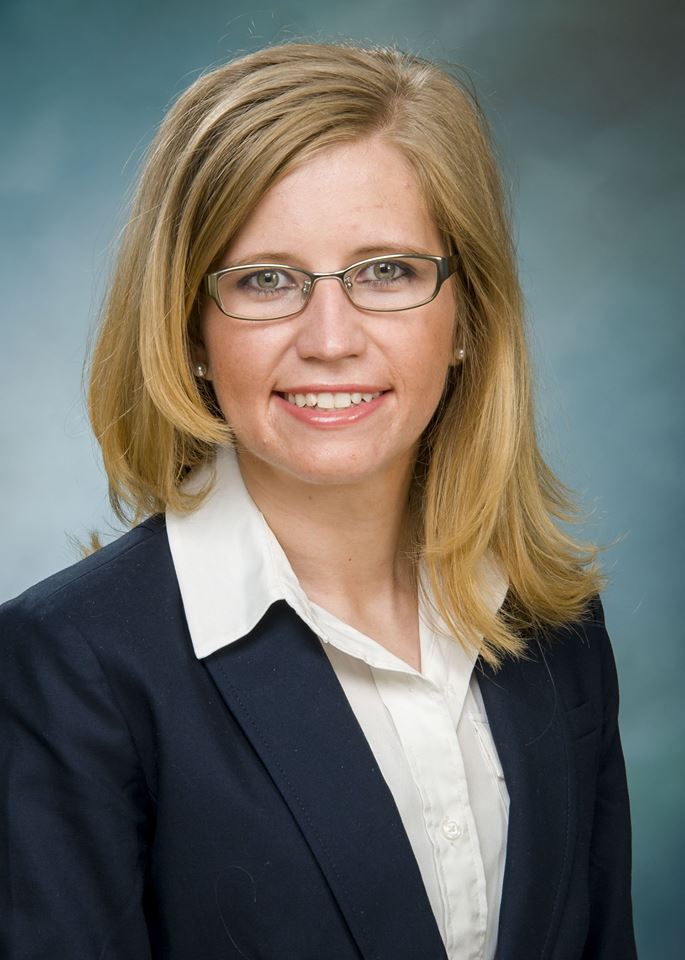
Dr. Andrew Seiwell headshot

Board Certified Hematopathologist

Andrew Seiwell, M.D.

Dr. Andrew Seiwell completed fellowship training in Hematopathology at Baylor University Medical Center at Dallas after residency training in Anatomic and Clinical Pathology at Wake Forest University Baptist Medical Center.

He earned his Doctorate in Medicine from Texas A&M University College of Medicine, a Master of Science in Medical Science from the University of North Texas Graduate School of Biomedical Sciences, and a Master of Science in Pharmacy from the University of Texas at Austin College of Pharmacy Division of Pharmacology/Toxicology.

Dr. Seiwell has served as an Associate Hematopathologist with Medical City Dallas, bringing experience in diagnostic hematopathology, clinicopathologic correlation, and multidisciplinary review of complex cases.

His academic background includes graduate research in pharmacology and toxicology, laboratory research at St. Jude Children's Research Hospital, and publications in neuroscience, laboratory investigation, and hematologic malignancy case reporting.

His training and practice reflect a multi-faceted approach to hematopathology, integrating clinical information, tissue findings, laboratory data, and ancillary testing to support clear diagnostic interpretation.

Dr. Michelle Parmley headshot

Board Certified Hematopathologist

Michelle Parmley, M.D.

Dr. Michelle Parmley is board certified in Hematopathology as well as Anatomic and Clinical Pathology by the American Board of Pathology.

She completed Hematopathology fellowship training at the University of Texas Southwestern Medical Center after Anatomic and Clinical Pathology residency training at UT Southwestern, where she also served as Chief Resident.

Dr. Parmley earned her Doctor of Medicine from the University of Texas Medical Branch, graduating Cum Laude with an additional Global Health certificate, and earned her Bachelor of Science in Aquatic Biology from Texas State University, graduating Summa Cum Laude.

Her hematopathology work includes primary flow cytometry evaluation, morphologic diagnoses of bone marrow biopsies and lymphoid tissue, and integrated comprehensive reports incorporating ancillary testing such as FISH, karyotype, and molecular results.

Her experience supports complex blood cancer diagnosis, post-treatment analysis, stem cell transplant-associated evaluation, and referral cases from community hospitals, with publications and presentations spanning hematopathology, cytopathology, nephropathology, and global health.